
Humans Have Been Storing Memories for 40,000 Years — From Cave Walls to SSDs
Posted by TITANIUMMICRO on Mar 16th 2026
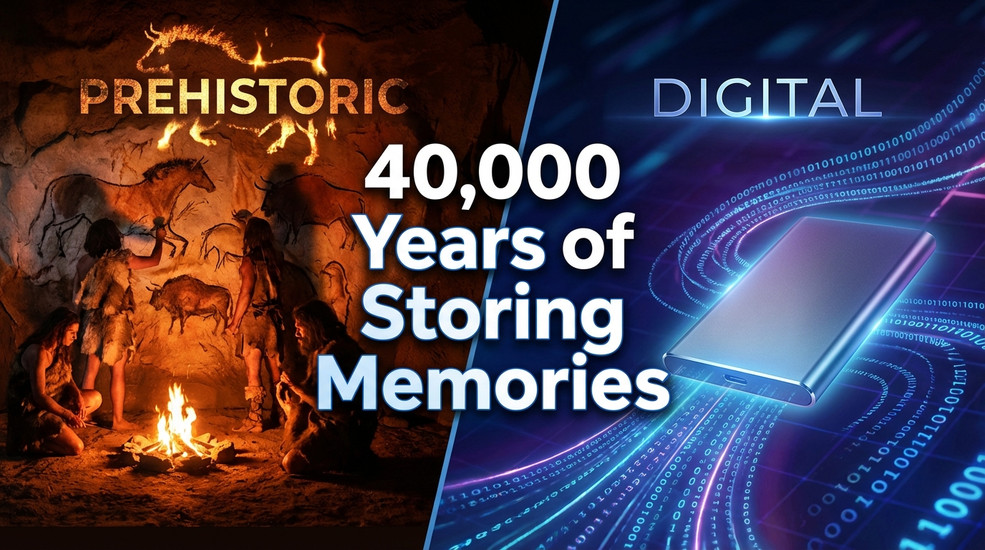
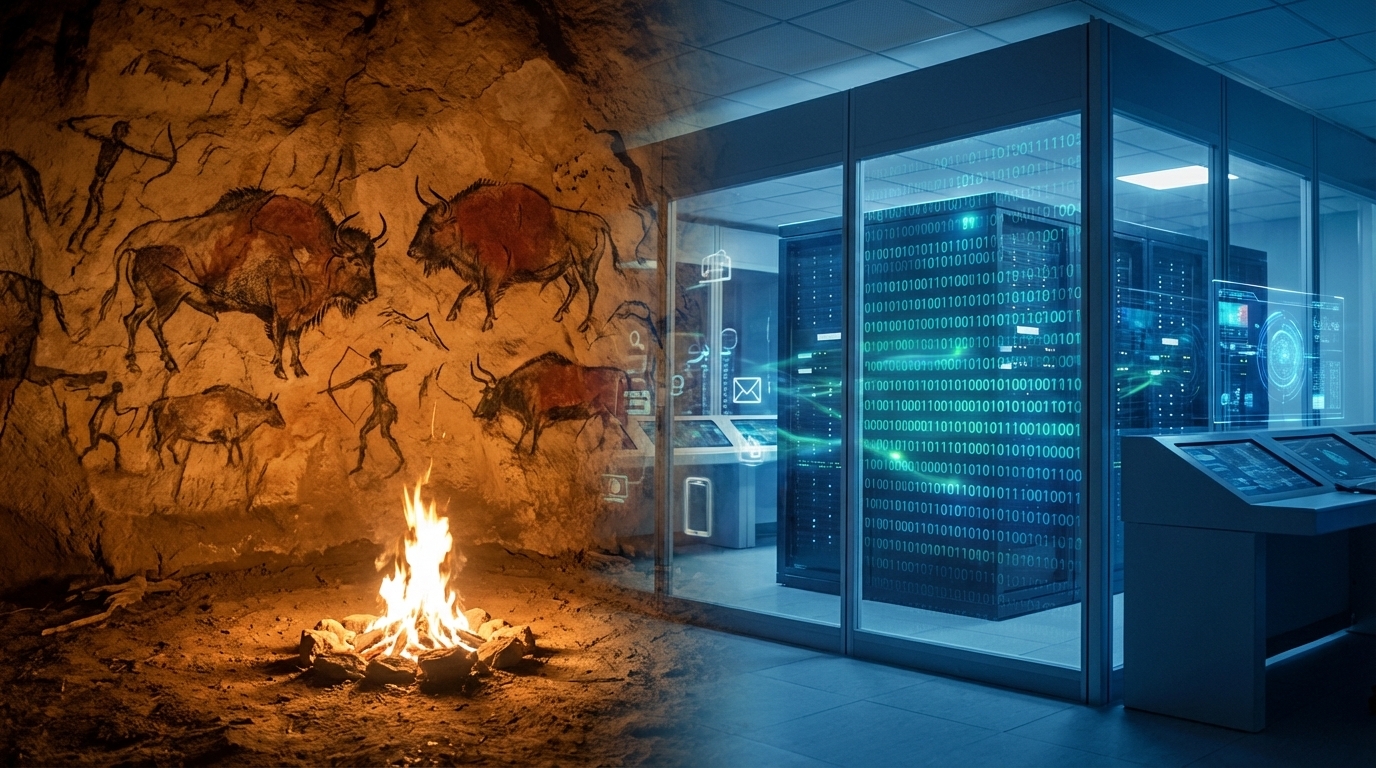
Humans Have Been Storing Memories for 40,000 Years
Your entire life can now fit inside something smaller than your wallet.
Photos.
Videos.
Music.
Work.
Memories.
But it took humans more than 40,000 years to figure out how to store them this way.
Long before smartphones…
before cameras…
before computers even existed…
people were already trying to solve the same problem:
How do we make memories last?
The answer has evolved in fascinating ways — from cave paintings to modern digital storage and portable SSD technology.
When Memories Lived on Cave Walls
Long before writing systems or photography existed, humans were already documenting their lives.
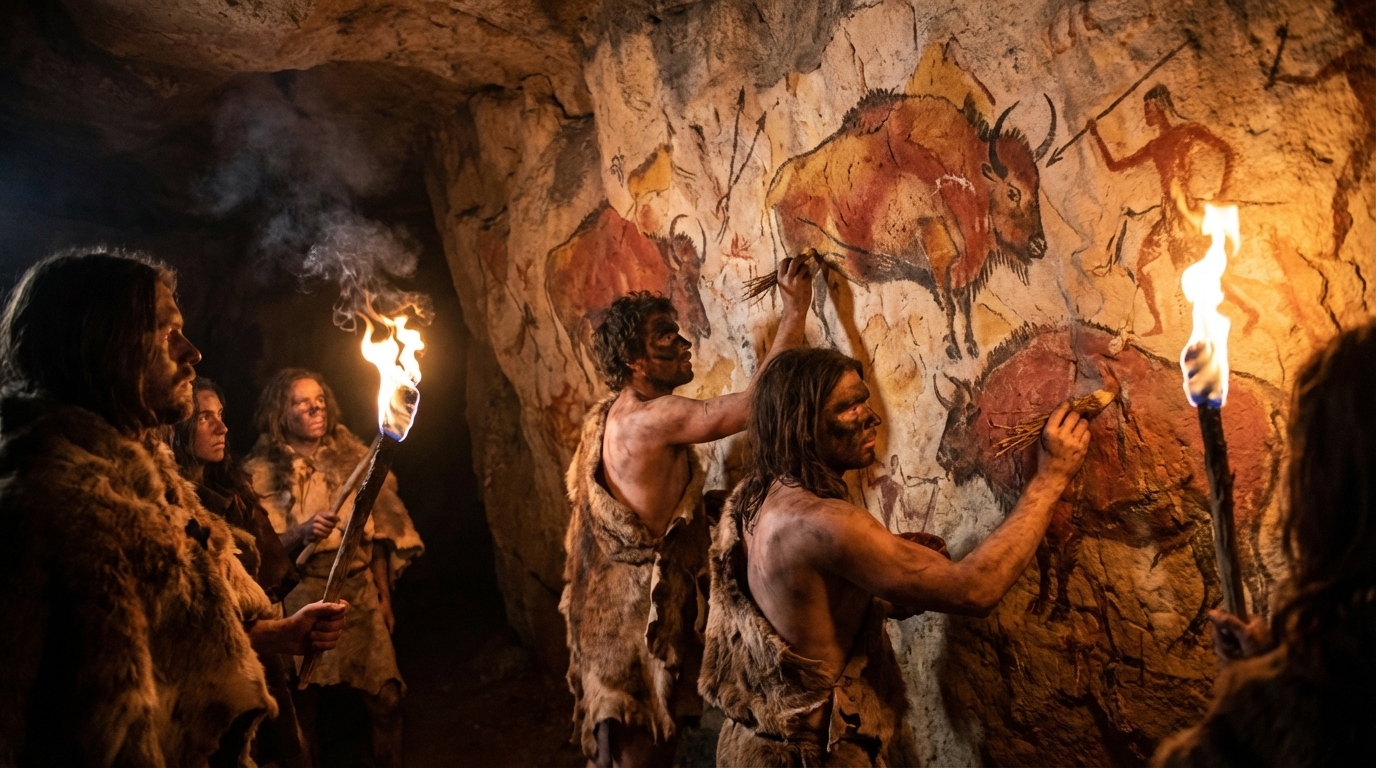
One of the earliest examples comes from cave paintings, some dating back more than 40,000 years.
Early humans painted animals, hunting scenes, and symbols onto cave walls using natural pigments.
These paintings weren’t just decorations.
They were a way of preserving experiences — stories about survival, daily life, and the world around them.
In many ways, cave walls were the world’s first memory storage system.
When Memories Became Portable
Thousands of years later, humans discovered something that changed everything: paper.
With paper, memories no longer had to stay in one place.
They could travel.
People began recording their lives through journals, letters, drawings, and written records.
Stories could now move across cities and generations.
The Photography Revolution
In the 1800s, photography changed everything.
For the first time in history, people could capture reality exactly as it appeared.
Families began storing memories through film cameras, printed photographs, and photo albums.
But photography still had limits.
Film was expensive, and physical photos could fade or get lost.
When Memories Became Data
The digital age completely redefined how memories are stored.
Photos, videos, and documents stopped being physical objects.
They became data.
Every file is converted into binary numbers — 1s and 0s.
These numbers can then be stored on devices like hard drives, cloud servers, and modern solid state drives (SSDs).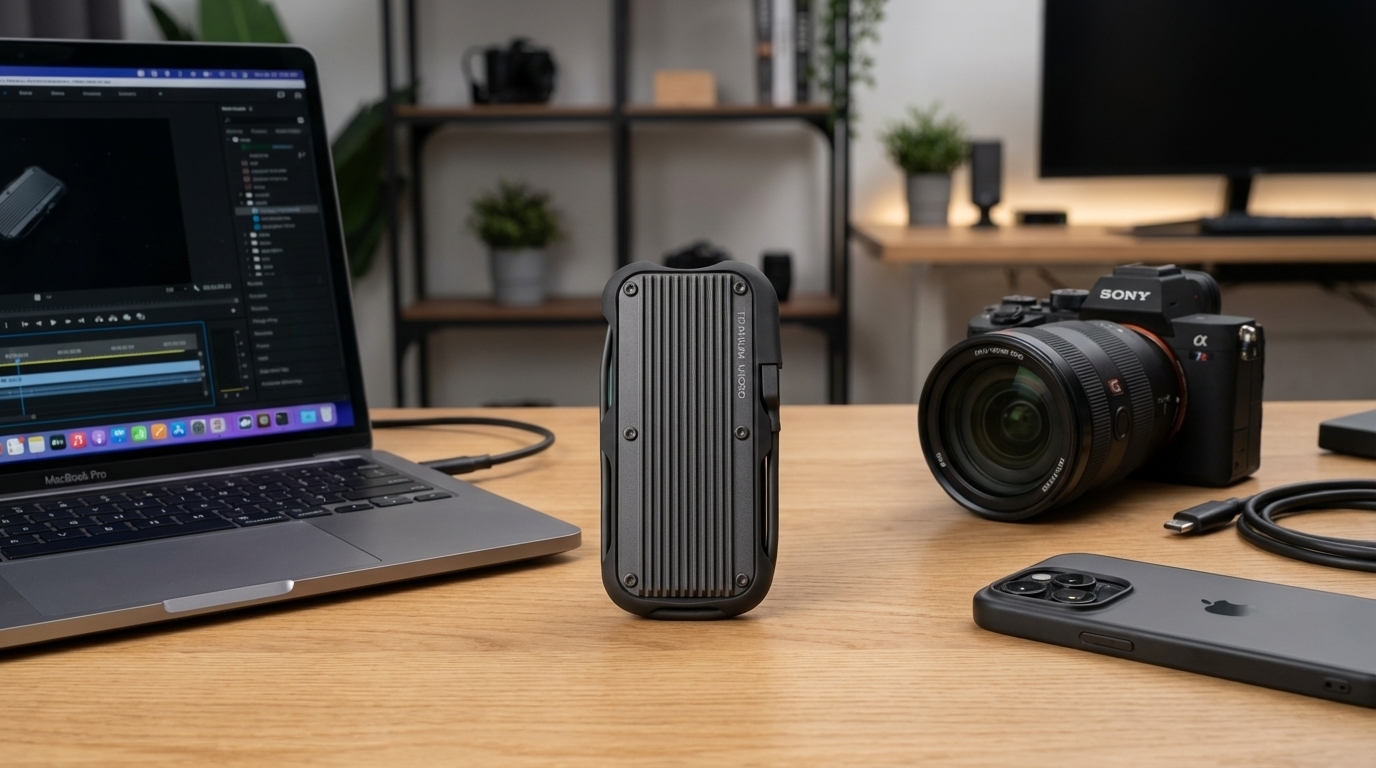
The Age of Digital Memories
Today the average person creates more memories in a single year than people in the past created in a lifetime.
Photos from smartphones.
Videos from trips.
Creative projects.
Entire careers.
Devices like portable SSDs allow people to store massive amounts of data in something small enough to fit in a pocket.
What once required shelves of photo albums or boxes of film now fits inside a device smaller than a credit card.
From Cave Walls to Silicon Chips
The tools have changed dramatically.
But the goal has always stayed the same.
To preserve moments.
To protect stories.
To make memories last.
From cave paintings
to handwritten journals
to photo albums
to digital storage and SSD technology
every generation has found a better way to keep its memories alive.